
On September 19, U.S. President Trump signed an executive order announcing policies including raising the processing fee for H-1B work visas to 0,000.
The business community and the Chinese student community are in an uproar. Musk, deeply affected, has launched a tirade online.
The current H-1B visa fee is usually no more than ,000, which means that the visa cost has increased 20 times overnight. The reason for the new policy is simple: the United States is now trying every means to move manufacturing plants back to the United States, and American high-tech companies are hiring more Americans.
This is a huge blow to major Silicon Valley companies, as they primarily recruit international students through H1B visas. Amazon, Google, Microsoft, and Meta are among them. The high H1B visa fees have a significant impact on these companies, meaning that US high-tech enterprises can only hire top engineers and senior managers. Junior engineers are no longer an option due to their prohibitive cost.
Impact on Chinese students
The H-1B visa is a nonimmigrant work visa established by the United States to bring in foreign professionals, requiring at least a bachelor's degree. Currently, there are 600,000 foreigners working in the United States holding H-1B visas, of whom 70,200 are Chinese, accounting for 11.7% of the total.
With the implementation of the new visa policy, it is expected that the number of families sending their children to study in the United States will decrease significantly. Many people are exclaiming that the landscape of studying in the US is about to change drastically.
However, this matter needs to be viewed from two perspectives.
First, if it's just for prestige and you don't plan to work in the US, it won't have any impact. It might even make applying to schools easier, since there are more study abroad opportunities available now.
Secondly, if one hopes to work abroad through studying abroad, then the return on investment for studying in the United States will be significantly reduced.
Specific impacts
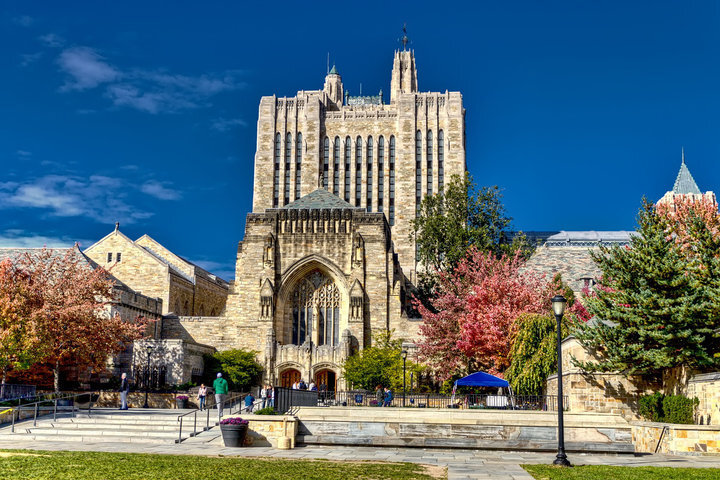
This has the following impacts on specific study abroad programs.
First, some students still want to study abroad, so universities in Singapore, the UK, Canada, Australia, Japan, and other places will be even more popular, especially in East Asia, as well as Hong Kong and Macau.
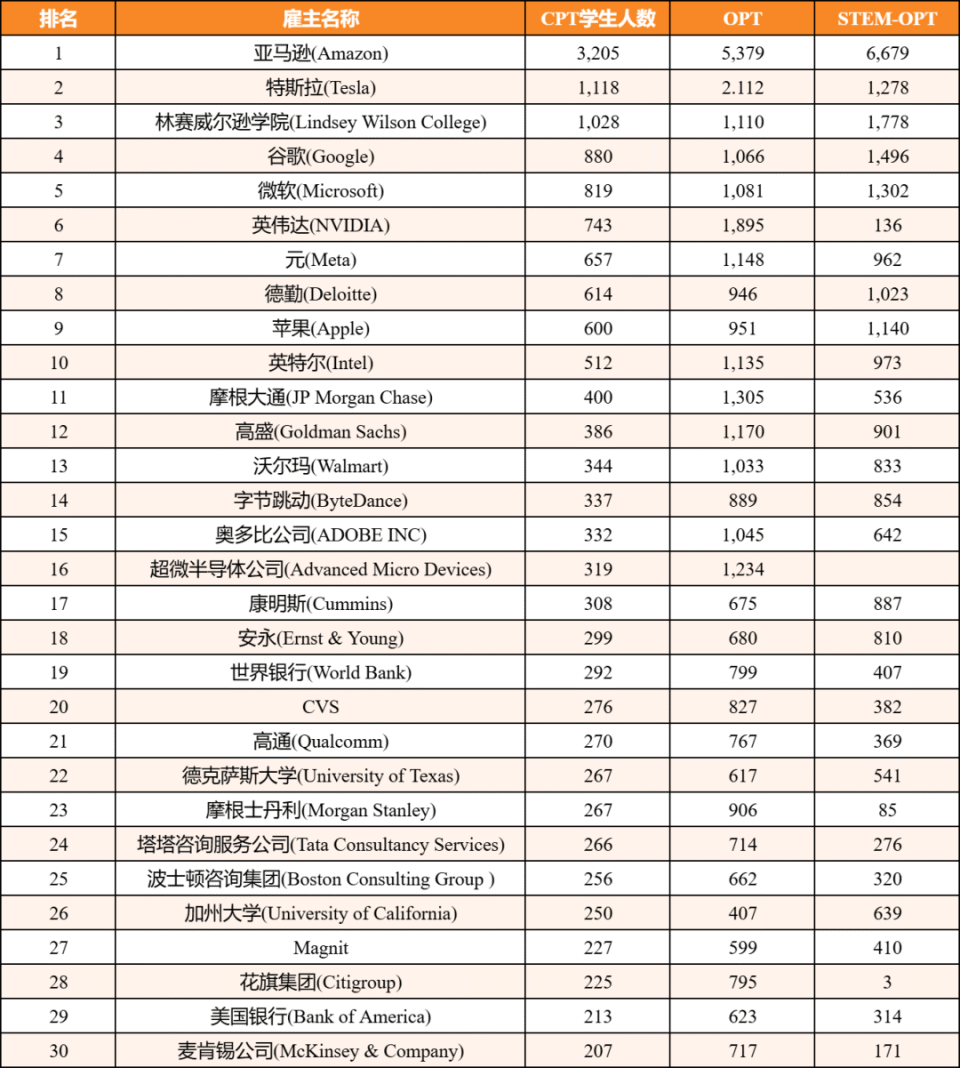
Secondly, while this issue primarily affects students studying STEM fields in the United States, there are other policies in place. The US Immigration Service offers OPT and CPT internship programs. These policies provide international students with up to three years of work experience, and these opportunities are plentiful.
The chart below shows the number of interns hired by major US companies. This data is from the US government and is for 2024; the number has been increasing every year.
America is an interesting society. One place might block your way, while another opens a window. It's like the saying, "Where there's a will, there's a way."
Furthermore, although Trump signed the executive order, its passage remains uncertain. We've seen many similar examples in recent years.
However, given the overall trend of decoupling between China and the US, it is a fact that it is becoming increasingly difficult for international students, especially STEM students, to study and find employment in the US. Everyone must carefully consider this when making their plans.
This article is a user submission and does not represent the views of this website.
The copyright of this content belongs to the original author. Please contact the original author for authorization before reprinting. For any copyright infringement issues, please contact copyright@jaketao.com

